Close Menu
 World
World
 Biography
 Health
 Education
 Business
 Lifestyle
 Sports
 Technology
 Animals
 History
 Food
Food
 Religious
 Startups
 Movies
 Politics
 Fashion
 Covid
Covid
 Diet
Diet
 Fitness
 Marketing
 Travel
 Science
 Reviews
 Social media
 Stories
 Facts
Facts
 Art
Art
 Entertainment
Aleesha Ali

Health
Understanding Surgical Instruments: Types, Uses, and What Healthcare Professionals Should Know
 Aleesha Ali
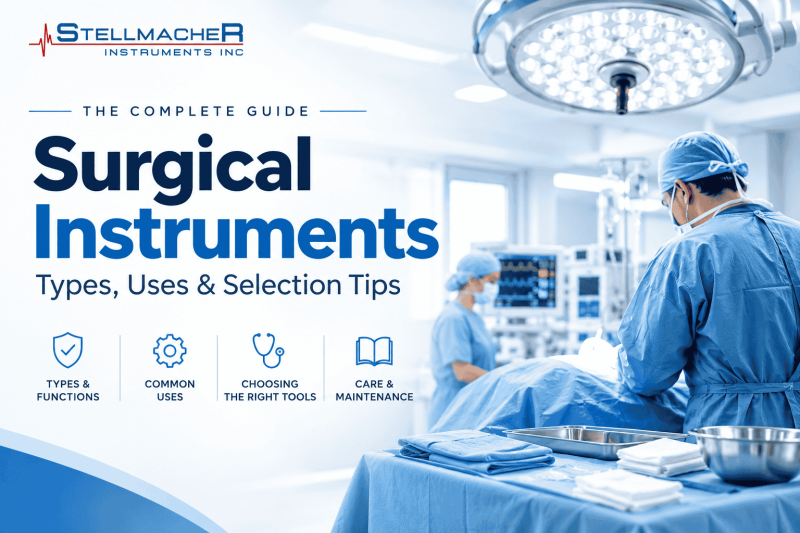
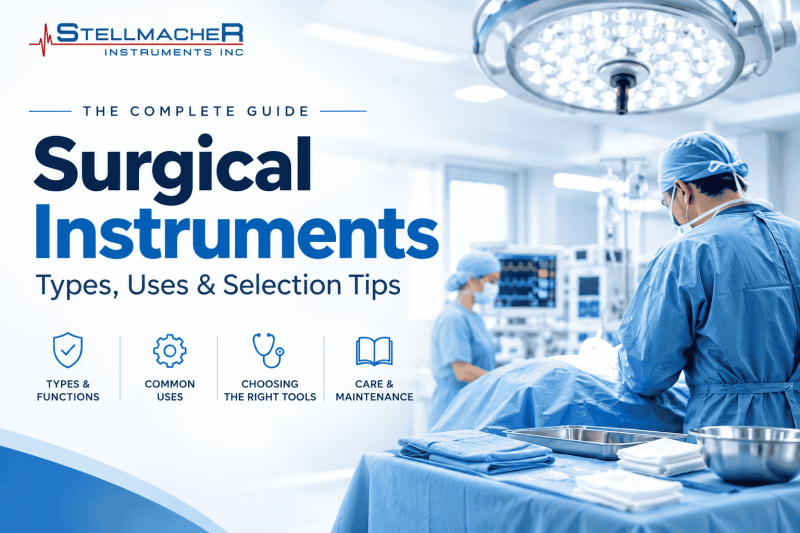
Surgical instruments are essential tools in modern healthcare, supporting surgeons and medical professionals during procedures that require precision, control, and reliability. From basic instruments used for tissue handling to specialized tools designed for ophthalmic, general, or minimally invasive procedures, each instrument has a specific function.
Understanding the different types of surgical instruments, their applications, and the qualities that make them suitable for clinical environments can help healthcare facilities make informed purchasing and equipment-management decisions.
What Are Surgical Instruments?
Surgical instruments are specially designed medical tools used during surgical procedures, examinations, and other clinical interventions. They can be used to cut, grasp, hold, dissect, retract, clamp, or manipulate tissues and materials.
Common examples include surgical scissors, forceps, needle holders, retractors, scalpels, clamps, and specialized instruments for particular medical specialties.
Although many instruments may look similar, differences in size, shape, tip design, locking mechanism, and material can significantly affect how they are used. Selecting the appropriate instrument is therefore an important part of preparing for a surgical procedure.
Common Types of Surgical Instruments
Surgical instruments can be grouped according to their primary function. While specialized procedures may require highly specific equipment, several categories are commonly found in operating rooms and clinical settings.
1. Cutting and Dissecting Instruments
Cutting instruments are designed to cut tissues, sutures, dressings, or other materials. Surgical scissors and scalpels are among the most recognizable examples.
Surgical scissors are available in different designs, including straight and curved variations. The appropriate design depends on the procedure and the material being cut. Scalpels, meanwhile, typically consist of a handle and a replaceable blade, allowing surgeons to make precise incisions.
2. Grasping and Holding Instruments
Forceps are widely used for grasping and manipulating tissue, sutures, dressings, and other materials. Their design varies considerably depending on the intended application.
Some forceps have smooth tips for delicate handling, while others feature serrated or specialized jaws to provide additional grip. Surgical forceps are available in numerous configurations, making it important to select a design that matches the procedure and tissue-handling requirements.
3. Clamping and Occluding Instruments
Clamps and hemostatic forceps are designed to temporarily hold or compress structures. They may be used to control blood vessels, secure tissue, or maintain positioning during a procedure.
Different clamp designs provide varying levels of grip and are intended for different applications. The size, jaw configuration, and locking mechanism can all influence instrument selection.
4. Retractors
Retractors help hold tissues or organs away from the surgical field, providing better visibility and access to the area being treated.
They may be handheld or self-retaining. The choice depends on the surgical procedure, the area being accessed, and the amount of exposure required.
5. Suturing Instruments
Suturing instruments are used when closing wounds or connecting tissue. Needle holders, for example, are designed to securely hold a surgical needle while allowing the surgeon to guide it through tissue.
Different needle holders are available for different procedures and needle sizes. A suitable instrument should provide secure needle control without interfering with the surgeon's movements.
Why Material and Construction Matter
The material used to manufacture a surgical instrument can affect its durability, resistance to corrosion, maintenance requirements, and overall performance.
Stainless steel is widely used for many reusable surgical instruments because of its strength, durability, and resistance to corrosion when properly maintained. Some specialized instruments may use other materials or combinations of materials depending on their intended application.
The quality of manufacturing is equally important. Smooth surfaces, precise joints, properly aligned jaws, and consistent finishing can contribute to reliable instrument handling.
Choosing the Right Surgical Instruments
Healthcare facilities should consider several factors when selecting surgical instruments. The first is the intended clinical application. An instrument designed for general tissue handling may not be appropriate for a delicate specialty procedure.
Other factors include:
- Instrument size and working length
- Tip and jaw configuration
- Handle design and ergonomics
- Material and corrosion resistance
- Reusable or single-use requirements
- Compatibility with sterilization processes
- Manufacturer specifications
- Availability of replacement or complementary instruments
Purchasing decisions should be based on clinical requirements rather than appearance alone. Surgeons and healthcare professionals should also consider how an instrument performs during repeated use and sterilization.
Cleaning, Sterilization, and Maintenance
Proper instrument care is essential for reusable surgical instruments. Instruments should be cleaned according to the manufacturer's instructions and established healthcare-facility protocols.
Cleaning removes biological material and other contaminants before sterilization. Hinged instruments should receive appropriate attention around joints and moving components, where debris can accumulate.
After cleaning, instruments may undergo an approved sterilization process appropriate for the instrument's material and design. Regular inspection is also important. Signs of corrosion, damaged tips, loose joints, or malfunctioning locking mechanisms should be addressed before an instrument is returned to clinical use.
Proper storage can further help protect instruments from unnecessary damage and contamination.
The Importance of Specialized Instruments
Modern medicine increasingly relies on instruments designed for specific specialties and procedures. Ophthalmic surgery, for example, requires highly precise instruments designed to work within small anatomical spaces. Similarly, dental, orthopedic, gynecological, cardiovascular, and other specialties use instruments adapted to their specific clinical requirements.
Specialized instruments can provide the dimensions, precision, and functionality required for particular procedures. This is why healthcare providers should work with reputable medical-instrument suppliers that understand the requirements of their target specialties.
Building a Reliable Surgical Instrument Inventory
Maintaining an organized instrument inventory can help healthcare facilities improve preparation and reduce equipment-related disruptions. Instruments can be categorized according to specialty, procedure, or function.
Facilities may also benefit from maintaining records of instrument inspections, repairs, sterilization processes, and replacements. Regular inventory reviews can identify damaged, missing, or outdated instruments before they become a problem during a procedure.
A reliable supplier can also simplify procurement by providing consistent product specifications and access to a broad range of surgical instruments.
Final Thoughts
Surgical instruments play a fundamental role in modern healthcare. From forceps and scissors to retractors, clamps, needle holders, and specialized ophthalmic instruments, each tool is designed to perform a particular function with precision and control.
Choosing appropriate instruments requires consideration of their intended use, construction, ergonomics, material, maintenance requirements, and compatibility with clinical protocols. Proper cleaning, sterilization, inspection, and storage are equally important for reusable instruments.
For healthcare providers looking to source dependable surgical instruments, working with an experienced medical-instrument supplier can make it easier to find products suited to specific procedures and specialties while supporting consistent quality and clinical requirements.
Source:
Click for the: Full Story
You might like